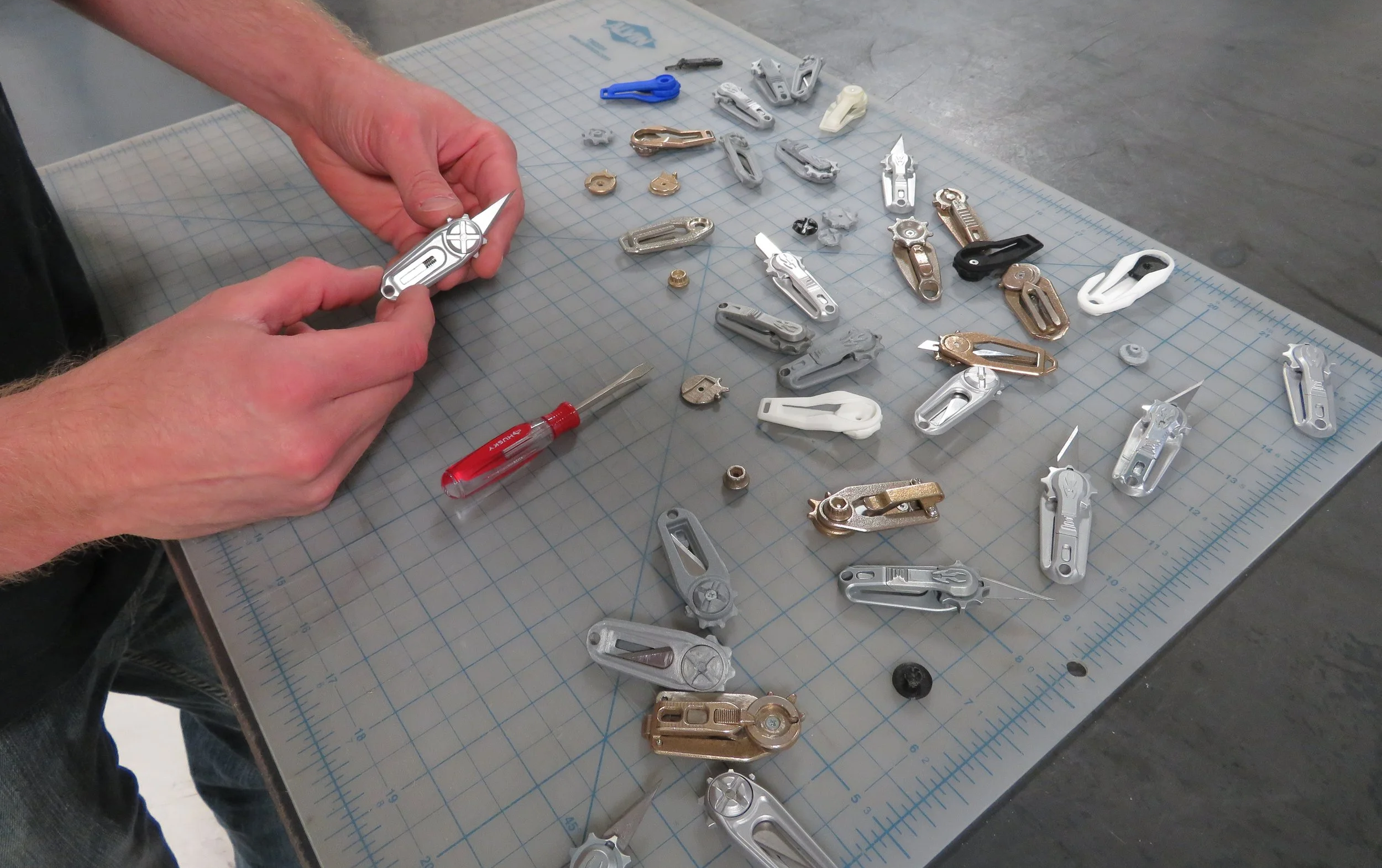
What is Human-Centered Design?
Human-centered design (HCD) is the philosophy behind most successful products. It simply means designing with the user in mind from the very beginning, not at the end as an afterthought.
People don’t use products in ideal conditions. They use them when they’re in a hurry, distracted, tired, or stressed. They use them with one hand full, in low light, outdoors, indoors, in dirty environments, or with gloves on.
Human-centered design takes all of that into account.
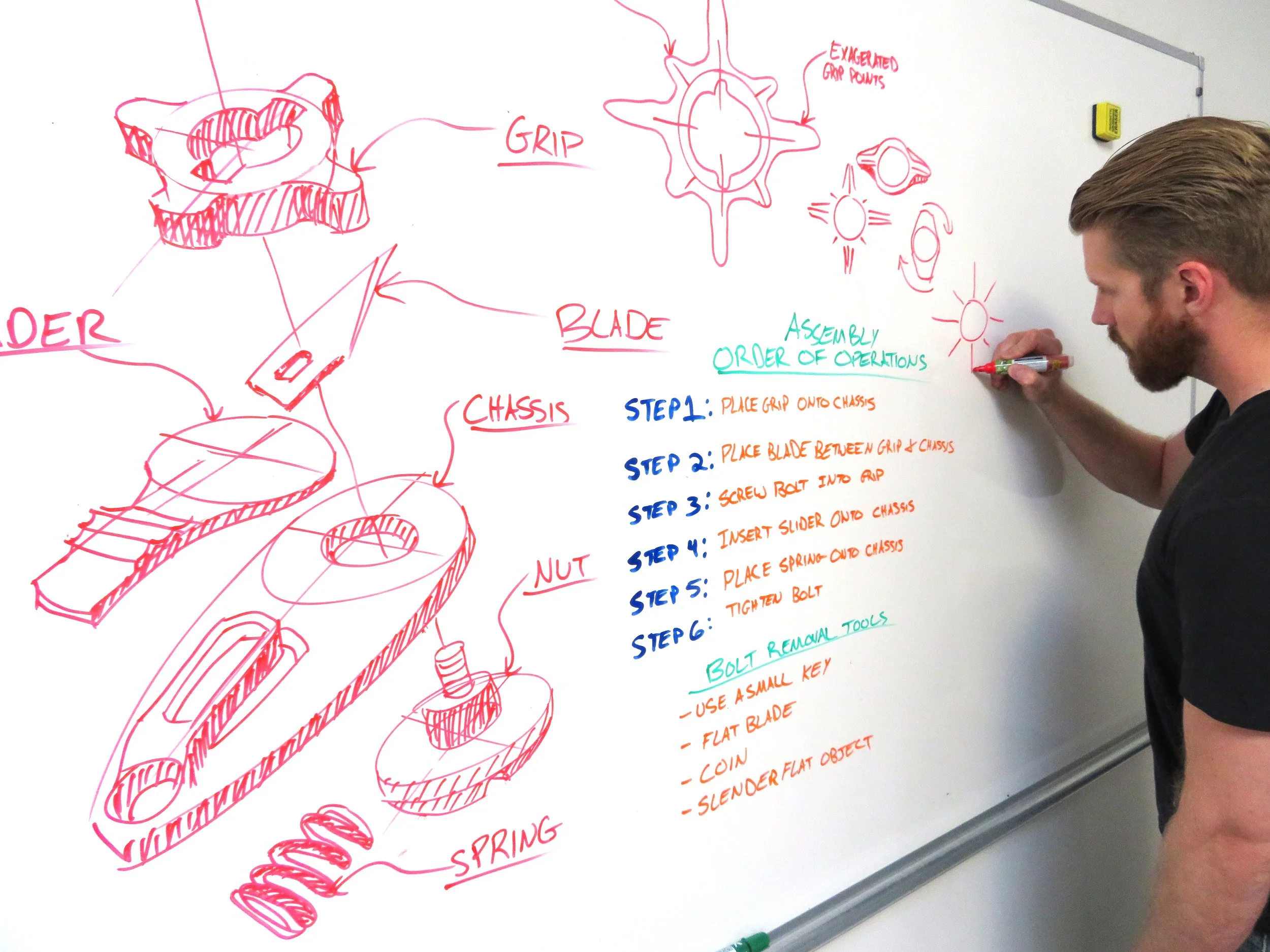
Step 1: Understand the user.
Before designing anything, we spend time learning how people behave, what they expect, and what problems they're facing. We look for patterns and insights:
What slows them down?
What do they do instinctively?
What do they ignore?
What mistakes do they repeatedly make?
What features do they value most?
Sometimes we interview users directly. Other times we observe quietly. Real-world behavior often reveals things people don’t consciously notice.
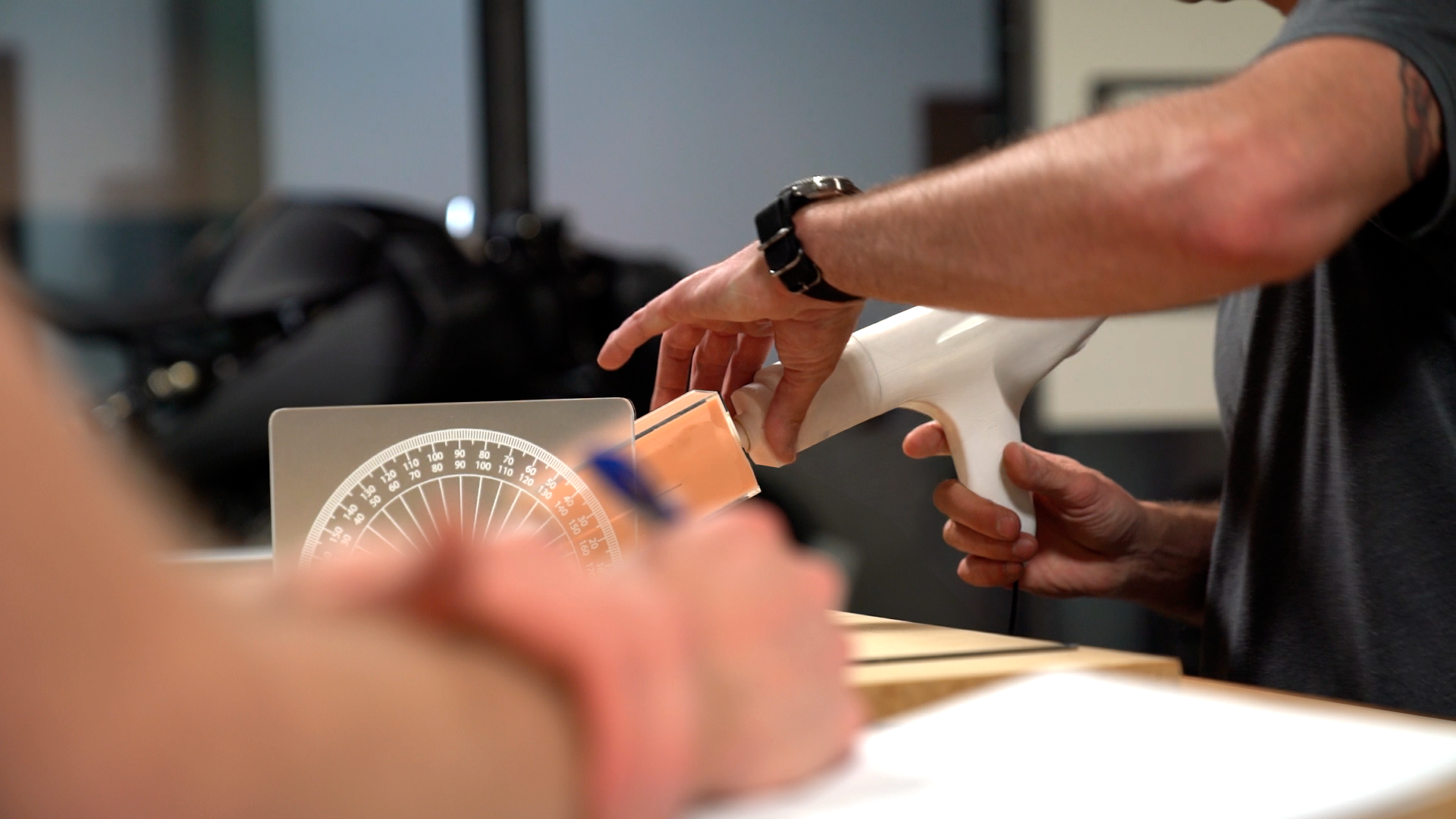
Step 2: Build and test prototypes.
We create early prototypes that let us quickly test assumptions. Some prototypes are rough and simple; others are fully functional. The important part is seeing real people interact with the product.
We look for subtle clues:
Where their hands go
Where they hesitate
What they struggle to understand
What delights them
How they adjust their grip or posture
These details are gold. They guide refinements that make the final product easier, safer, and faster to use.
Step 3: Iterate repeatedly.
Human-centered design isn’t a straight line, it’s a cycle. Every version gets closer to the final product by solving real problems uncovered through testing. It eliminates guesswork and ensures that design decisions are grounded in reality, not assumptions.
In the end, human-centered design creates products that feel intuitive because they were shaped around real human behavior. It reduces frustration, improves usability, lowers support issues, and ultimately increases user satisfaction.