
How to Estimate Product Development Costs
One of the most common early questions we’re asked is: “How much will this cost?” The reality is that every product is different, but the cost structure is surprisingly predictable once you know what goes into development. A clear cost roadmap helps you make smart decisions, choose the right partners, and avoid overspending early in the process. But product development isn’t one flat fee, it's a series of steps that each contribute to the final outcome.
1. Industrial Design (Look, Feel, and User Experience)
This is where your idea starts to look and behave like a real product.
Costs in this phase relate to:
Concept exploration and design direction
Sketches, form studies, and usability considerations
Early 3D CAD shaping
Materials, proportions, and ergonomics
Photorealistic renders (helpful for pitching or social proof)
Cost Driver:
Products with more design variations, aesthetic refinement, or complex ergonomics generally require more work.
If your product needs multiple looks explored, expect this phase to scale accordingly.
2. Engineering (Function, Structure, and Reliability)
Engineering turns design into a functional, manufacturable system.
This phase includes:
Mechanisms, moving parts, and linkages
Structural decisions and tolerances
Internal layouts, fasteners, and materials
Assembly planning
DFM (design for manufacturing) refinements
Cost Driver:
The more parts, mechanisms, and precision your product requires, the more engineering effort it takes.
Simple static objects cost less; complex multi-part assemblies require more time and testing.
3. Prototyping (Testing and Validation)
Prototypes allow you to prove functionality, refine design, and reduce risk before manufacturing.
Costs typically involve:
3D printing or CNC machining
Finishing, sanding, or coating
Assembly, testing, and iteration
Revising CAD after each test
Most products go through multiple rounds, and that’s a good thing. Each round catches issues before they become expensive in production.
Cost Driver:
Larger parts, tighter tolerances, metal machining, or functional prototypes cost more than simple plastic prints.
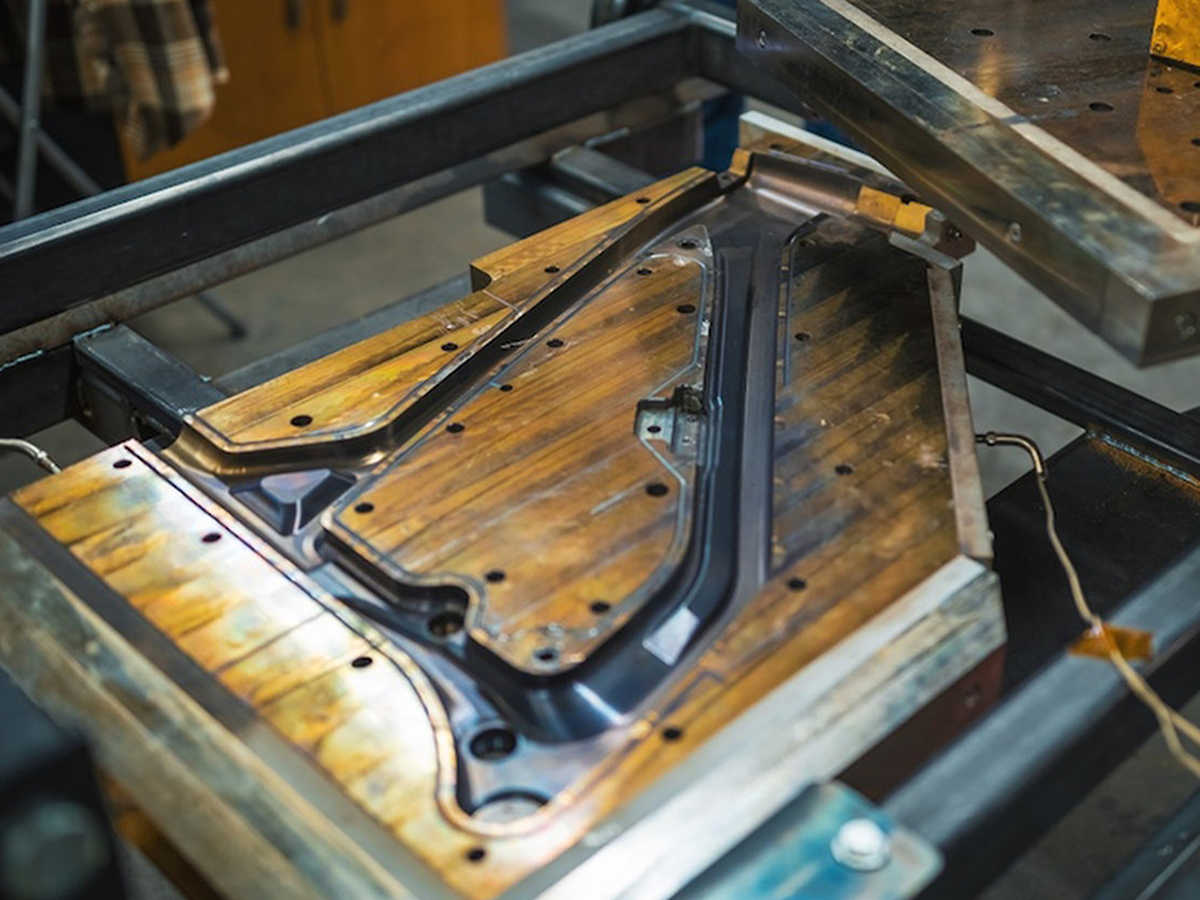
4. Tooling & Manufacturing Preparation
This is where your product becomes ready for mass production. Depending on your manufacturing path, this can include:
Injection mold tooling
Machining fixtures
Pilot runs
Test batches
Packaging engineering
Supplier onboarding and communication
Quality control planning
Cost Driver:
Tooling cost varies dramatically based on part size, material, complexity, and required tolerances.
Fewer parts = fewer tools = lower cost.
High-detail, high-volume products require more investment up front.
5. Production Costs (Your Per-Unit Pricing)
Once your product is production-ready, you’ll receive a per-unit quote influenced by:
Material cost
Part count
Complexity of machining or mold cycles
Assembly labor
Packaging
Order quantity
Cost Driver:
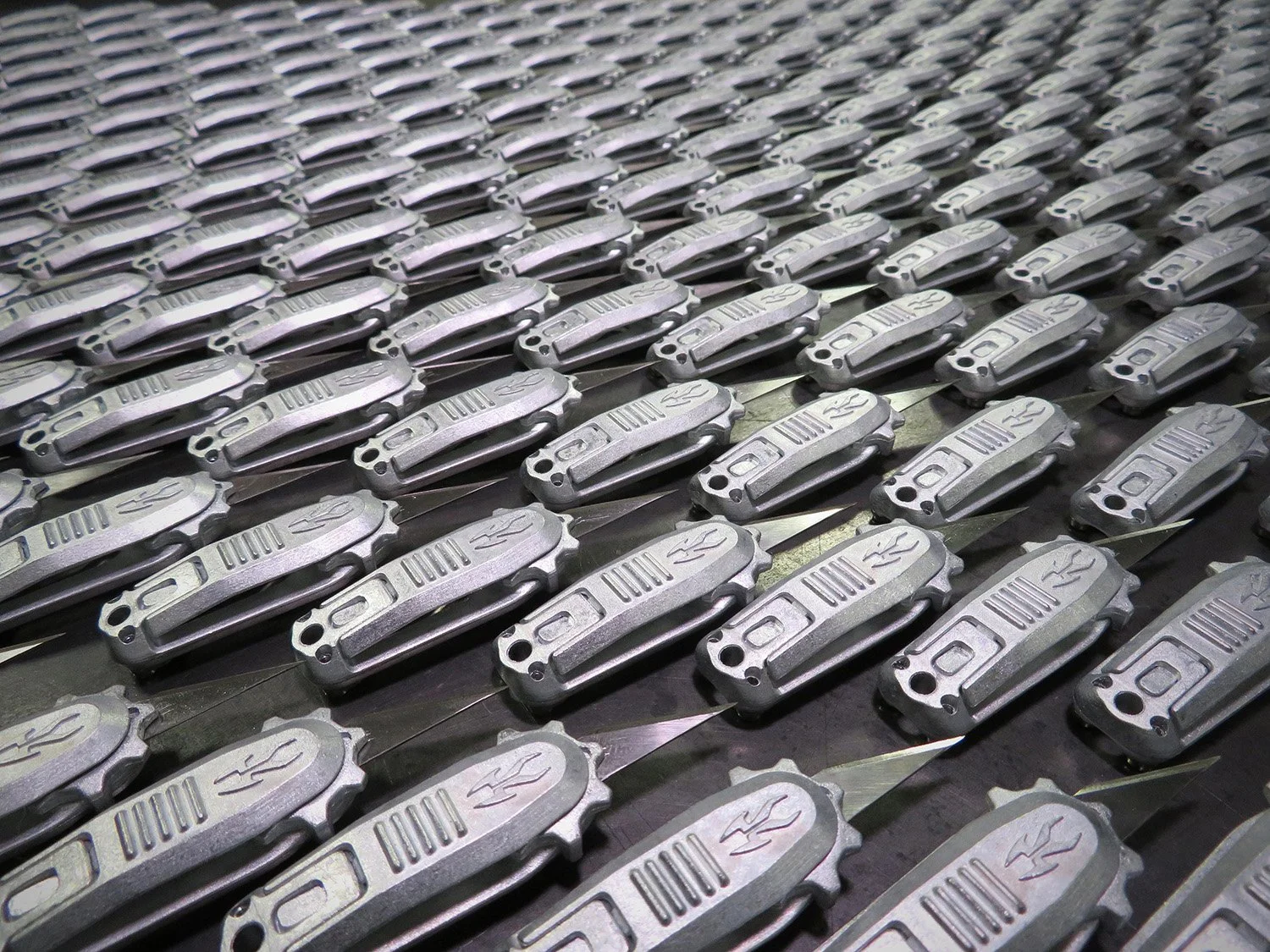
Higher order quantities dramatically reduce per-unit cost.
Prototypes might cost hundreds per unit, while full production runs may be only a few dollars per piece, depending on the product.
6. Additional Costs Some Products Require
Not every product needs these, but some do:
Certifications (FCC, CE, UL, etc.)
Durability testing (drop tests, torque tests, cycle tests)
Photography or marketing samples
App development for connected devices
Spare parts or warranty stock
Shipping, freight, or customs
Cost Driver:
Products with electronics or safety requirements have added steps.
How to Budget Your Project
While every project is different, you can estimate your likely cost range based on complexity:
Simple products
Few parts, no electronics, minimal mechanisms → lower rangeModerate products
Multi-part, moderate engineering, functional mechanisms → mid rangeAdvanced products
Complex assemblies, electronics, tooling-heavy, or high precision → upper range
Want a Clearer Estimate? Let’s Talk.
At Seek Apogee, we build projects in predictable, transparent stages so you always know what work is being done and where your investment is going. If you’d like help estimating your specific product, reach out anytime. We can walk you through the process, evaluate your idea’s complexity, and give you a clear, phased roadmap that matches your goals and budget.
See the level of craftsmanship we bring to our own products - click here.